
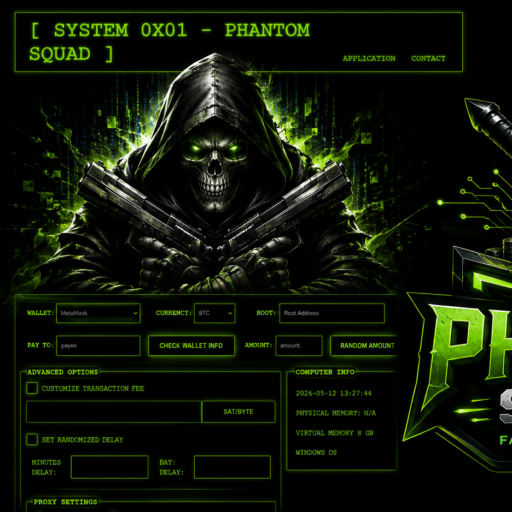
Are you looking for a versatile way to flash coins – not just USDT or Bitcoin, but a range of cryptocurrencies? At Flash USD Transaction, we offer a comprehensive flash coins platform that allows you to generate realistic fake transactions for multiple cryptocurrencies on various blockchain networks. This comprehensive guide explores everything you need to know about flash coins and how it can transform your multi-currency testing and education experience.
What Does It Mean to Flash Coins?
To flash coins means to create temporary, simulated cryptocurrency transactions that appear real on blockchain explorers for a limited time (typically 24–48 hours) before vanishing. These are not real coins – they have no monetary value and are intended only for legitimate testing, education, and development. To understand the technology, visit our how it works page.
The concept of flash coins represents a significant advancement in blockchain simulation technology. Unlike traditional testing methods that require real funds and real transaction fees, flash coins allows users to simulate transactions across multiple cryptocurrencies and networks without any financial risk. This makes it an invaluable tool for developers, educators, and content creators who need to work with various digital assets.
When you use a flash coins tool, you generate a simulated transaction that mimics a real cryptocurrency transfer. The transaction appears on blockchain explorers like Tronscan , Etherscan , BSCScan , or Blockchain.com , complete with a valid-looking transaction ID, sender and recipient addresses, and the correct amount. However, no actual cryptocurrency is moved – it is purely a visual simulation.
Key Characteristics of Flash Coins
| Characteristic | Description |
|---|---|
| Temporary Display | Appears on blockchain explorers for 24-48 hours |
| No Real Value | Cannot be spent, withdrawn, or traded |
| Simulated Transaction | Mimics real cryptocurrency transfers |
| Multi-Asset Support | Supports USDT, BTC, USDC, BUSD, and more |
| Multi-Network Support | Supports TRC20, ERC20, BSC, and Bitcoin networks |
| No Private Key Required | Never asks for sensitive information |
| Fast Execution | Transactions appear within 10-30 seconds |
| Web-Based Access | No download required |
Which Coins Can You Flash?
Our flash coins platform supports a growing list of cryptocurrencies across multiple networks:
Supported Cryptocurrencies
| Asset | Supported Networks | Description |
|---|---|---|
| USDT | TRC20, ERC20, BSC | Tether stablecoin |
| Bitcoin (BTC) | Native Bitcoin Network | The original cryptocurrency |
| USDC | Supported networks (coming soon) | USD Coin stablecoin |
| BUSD | BSC | Binance USD stablecoin |
| Other Test Coins | Custom | Contact us for custom requests |
Network Support
When you flash coins , you can select from multiple blockchain networks:
- Tronscan – For TRC20 USDT and USDC transactions
- Etherscan – For ERC20 USDT and USDC transactions
- BSCScan – For BSC USDT, USDC, and BUSD transactions
- Blockchain.com – For Bitcoin transactions
Why Use Our Flash Coins Tool?
Our flash coins platform stands out from the competition for several reasons:
Multi-Asset Support
Flash different cryptocurrencies from one platform. Whether you need to simulate USDT, Bitcoin, USDC, or BUSD transactions, our flash coins tool supports all major cryptocurrencies.
Realistic Blockchain Appearance
Transactions generated by our flash coins tool are visible on all major blockchain explorers. This realism makes it ideal for testing and demonstration purposes.
Instant Execution
Fake transactions appear within 10–30 seconds. The speed of our flash coins tool ensures that you can test and demonstrate without delays.
No Download Required
Use directly from our software page. Our flash coins tool is fully web-based and requires no downloads or installations.
Privacy Guaranteed
We do not log your data. Read our privacy policy to learn more about how we protect your information.
Comparison: Flash Coins vs. Other Simulation Tools
| Feature | Our Flash Coins | Other Tools |
|---|---|---|
| Asset Support | USDT, BTC, USDC, BUSD | Limited |
| Network Support | TRC20, ERC20, BSC, Bitcoin | Limited |
| Speed | 10-30 seconds | Slow |
| Realistic Appearance | ✅ Yes | Inconsistent |
| Privacy | ✅ Guaranteed | Questionable |
| Web-Based | ✅ Yes | Often requires download |
How to Flash Coins
Using our flash coins tool is simple and designed to be accessible for users of all experience levels:
Step 1: Access Our Platform
Visit our homepage or check our blog for updates and guides.
Step 2: Select the Coin
Select the coin you wish to flash from the available options:
- USDT – Tether stablecoin
- BTC – Bitcoin
- USDC – USD Coin (coming soon)
- BUSD – Binance USD
- Other Test Coins – Custom requests available
Step 3: Choose the Network
Choose the appropriate network for your selected asset:
- TRC20 – Tron network
- ERC20 – Ethereum network
- BSC – Binance Smart Chain
- Bitcoin – Native Bitcoin network
Step 4: Enter the Recipient's Wallet Address
Enter the recipient's wallet address. Double-check the address for accuracy to ensure proper simulation.
Step 5: Specify the Amount
Specify the amount of fake coins you wish to flash (e.g., 100 USDT, 0.5 BTC, or 1,000 BUSD).
Step 6: Click "Flash Coins"
Click "Flash Coins" – the transaction appears within 10–30 seconds. This is the key moment where the flash coins creates the simulated transaction.
Step 7: Verify on the Appropriate Blockchain Explorer
The fake coins will appear on the blockchain explorer and remain visible for a preset duration. You can verify the transaction using:
- Tronscan – For TRC20 transactions
- Etherscan – For ERC20 transactions
- BSCScan – For BSC transactions
- Blockchain.com – For Bitcoin transactions
Step 8: Understand Expiration
The flashed coins will remain visible for the preset duration (typically 24-48 hours) and then vanish automatically. No action is needed from you.
For support, visit our contact page. Please review our terms & conditions .
The Multi-Currency Advantage of Flash Coins
Understanding the multi-currency advantage helps users appreciate the value of flash coins.
Why Multi-Currency Support Matters
Multi-currency support is essential for:
- Comprehensive testing – Test multiple cryptocurrencies in one platform
- Educational demonstrations – Show various crypto transactions
- Content creation – Produce diverse crypto content
- Security research – Analyze cross-chain scenarios
Benefits of Multi-Currency Simulation
Using a flash coins tool with multi-currency support offers several advantages:
- Versatility – Work across different cryptocurrencies
- Realistic simulation – Mimic real multi-currency transactions
- Cost-effective – No real funds or gas fees required
- Immediate results – No waiting for confirmations
Wallets That Display Flash Coins
When you flash coins , the transaction will appear in wallets that support the respective network:
| Wallet | TRC20 USDT | ERC20 USDT | BSC USDT | BTC |
|---|---|---|---|---|
| Trust Wallet | ✅ Yes | ✅ Yes | ✅ Yes | ✅ Yes |
| MetaMask | ❌ No | ✅ Yes | ✅ Yes | ❌ No |
| TronLink | ✅ Yes | ❌ No | ❌ No | ❌ No |
| Exodus Wallet | ❌ No | ✅ Yes | ✅ Yes | ✅ Yes |
| Atomic Wallet | ✅ Yes | ✅ Yes | ✅ Yes | ✅ Yes |
| Ledger | ✅ Yes | ✅ Yes | ✅ Yes | ✅ Yes |
| Trezor | ✅ Yes | ✅ Yes | ✅ Yes | ✅ Yes |
Who Benefits from Flash Coins?
Our flash coins tool serves a diverse range of users:
Multi-Currency Wallet Testers
Verify support for different assets across multiple networks. Wallet testers can use flash coins to ensure their applications handle various cryptocurrencies correctly.
Crypto Educators
Demonstrate different coin transfers on various networks. Educators can use flash coins to show students how different cryptocurrencies appear on blockchain explorers.
Developers
Test cross-chain scenarios and multi-currency integrations. Developers can use flash coins to verify that their applications work correctly with various cryptocurrencies.
Content Creators
Produce diverse cryptocurrency videos across multiple assets. Content creators can use flash coins to create realistic videos featuring different cryptocurrencies.
Security Researchers
Simulate cross-chain attack scenarios. Security researchers can use flash coins to test how systems handle transactions across different blockchains.
Important Legal Disclaimer
Flash coins produces simulations only. Flashed coins have no real value and cannot be spent or withdrawn. Our tool is for testing, education, and demonstration only. Never use fake transactions to deceive or defraud anyone. By using our service, you agree to our terms & conditions .
Section 2: Risks, Identification, and Protection Strategies for Flash Coins
Are you looking for a versatile way to flash coins – not just USDT or Bitcoin, but a range of cryptocurrencies? Having established what flash coins is and how to use it in Section 1, this section focuses on the risks, identification methods, and protection strategies for using flash coins responsibly. Understanding these aspects is crucial for anyone involved in multi-currency cryptocurrency education, testing, or content creation.
Risks and Consequences of Misusing Flash Coins
Understanding the risks associated with flash coins is crucial for anyone involved in cryptocurrency transactions. The consequences of misusing these tools can be severe and long-lasting, affecting both financial stability and personal reputation.
Financial Risks
Misunderstanding or misusing flash coins can lead to significant financial risks:
- Loss of real funds – If you believe flashed coins have value and send real funds to "convert" them
- Scam victimization – Falling for scams that claim flashed coins have real value
- Exchange account issues – Attempting to deposit flashed coins to exchanges like Binance and losing access to your account
- Legal costs – Expenses from legal proceedings if you unknowingly participate in fraud
- Gas fee losses – Wasting real funds on gas fees for transactions that will never succeed
Legal Ramifications
Misusing flash coins for deceptive purposes can result in serious legal consequences:
| Legal Consequence | Description |
|---|---|
| Criminal Charges | Fraud, theft, and conspiracy charges |
| Civil Lawsuits | Victims can sue for damages |
| Regulatory Penalties | Fines from financial regulators |
| Asset Seizure | Government seizure of ill-gotten gains |
| Imprisonment | Jail time for serious fraud offenses |
Reputation Risks
Individuals who misuse flash coins can suffer:
- Public exposure – Being identified as a scam participant
- Blacklisting – From legitimate platforms like Binance , Coinbase , and Kraken
- Loss of credibility – In the crypto community
- Difficulty finding future opportunities – In crypto and beyond
Multi-Currency Risks
When using flash coins across multiple cryptocurrencies, there are additional risks:
- Asset confusion – Confusing different cryptocurrencies
- Network mismatch – Using the wrong network for a specific asset
- Address format errors – Using the wrong address format for a specific network
- Wallet compatibility issues – Some wallets may not display certain assets
Real-World Examples of Flash Coins Misuse
To fully understand the risks associated with flash coins, it's helpful to consider real-world scenarios:
Example 1: Investment Scams
Scammers convince victims that flashed coins have real value and promise to "convert" them to real crypto for a fee. Victims send real funds and lose everything.
Example 2: Exchange Deposit Attempts
Users attempt to deposit flash coins to exchanges like Binance , resulting in account suspension or permanent bans.
Example 3: Payment Fraud
Scammers use flash coins as fake payment for goods or services. When victims accept the payment, they lose their goods or services without receiving real compensation.
How to Identify Real vs. Simulated Crypto Transactions
Protecting yourself from deceptive activities requires vigilance and knowledge of proper verification procedures. This is essential knowledge for anyone using flash coins.
Verify Confirmations by Network
Always check the confirmation count of any cryptocurrency transaction. Different networks have different confirmation requirements:
| Network | Minimum Confirmations | Status |
|---|---|---|
| Bitcoin (BTC) | 0-5 | Unconfirmed – May be simulated |
| Bitcoin (BTC) | 6+ | Fully confirmed – Generally safe |
| TRC20 (Tron) | 0-18 | Unconfirmed – May be simulated |
| TRC20 (Tron) | 19+ | Fully confirmed – Generally safe |
| ERC20 (Ethereum) | 0-11 | Unconfirmed – May be simulated |
| ERC20 (Ethereum) | 12+ | Fully confirmed – Generally safe |
| BSC (BSC) | 0-14 | Unconfirmed – May be simulated |
| BSC (BSC) | 15+ | Fully confirmed – Generally safe |
Check Multiple Blockchain Explorers
Always verify any cryptocurrency transaction using multiple trusted blockchain explorers. Real transactions will appear consistently across explorers, while simulated transactions may appear on only one:
| Network | Blockchain Explorer |
|---|---|
| Bitcoin (BTC) | Blockchain.com |
| Bitcoin (BTC) | Blockchair |
| TRC20 (Tron) | Tronscan |
| ERC20 (Ethereum) | Etherscan |
| BSC (BSC) | BSCScan |
Verify the Block Hash
A real transaction has a valid block hash linking to a known block. If the block hash is missing or invalid, the transaction is likely simulated.
| Feature | Real Transaction | Simulated Transaction |
|---|---|---|
| Block Hash | ✅ Valid, links to a real block | ❌ Missing or invalid |
| Confirmations | ✅ Increases over time | ❌ Stays at 0 |
| Permanence | ✅ Forever on blockchain | ❌ Vanishes after 24-48 hours |
| Spendable | ✅ Yes | ❌ No |
| Depositable to Exchanges | ✅ Yes | ❌ No |
| Real Value | ✅ Yes | ❌ $0 |
Look for Warning Signs
Be suspicious of the following warning signs:
- TXID not found on multiple blockchain explorers
- Transaction not appearing after extended period
- Balance appearing then disappearing after refresh
- Confirmation count not increasing over time
- Status remaining "pending" indefinitely
- Sender unable to provide verifiable TXID
- Pressure to act quickly before verification
Asset-Specific Considerations
When using flash coins across different assets, there are additional considerations:
Bitcoin (BTC)
| Aspect | Details |
|---|---|
| Explorer | Blockchain.com |
| Confirmations Required | 6+ for real transactions |
| Address Format | Starts with "1", "3", or "bc1" |
| Gas Fee | Required for real transactions |
| Simulation Duration | 24-48 hours |
| Exchange Support | Not accepted on exchanges |
TRC20 (Tron) USDT
| Aspect | Details |
|---|---|
| Explorer | Tronscan |
| Confirmations Required | 19+ for real transactions |
| Contract Address | TR7NHqjeKQxGTCi8q8ZY4pL8otSzgjLj6t |
| Gas Fee | Required for real transactions (TRX) |
| Simulation Duration | 24-48 hours |
ERC20 (Ethereum) USDT
| Aspect | Details |
|---|---|
| Explorer | Etherscan |
| Confirmations Required | 12+ for real transactions |
| Contract Address | 0xdAC17F958D2ee523a2206206994597C13D831ec7 |
| Gas Fee | Required for real transactions (ETH) |
| Simulation Duration | 24-48 hours |
BSC (BSC) USDT
| Aspect | Details |
|---|---|
| Explorer | BSCScan |
| Confirmations Required | 15+ for real transactions |
| Contract Address | 0x55d398326f99059fF775485246999027B3197955 |
| Gas Fee | Required for real transactions (BNB) |
| Simulation Duration | 24-48 hours |
Exchanges That Do Not Accept Flash Coins
When asking "are flash coins accepted on exchanges" , the answer is no. These exchanges do not accept flash coins:
| Exchange | Accepts Flash Coins | Notes |
|---|---|---|
| Binance | ❌ No | Real crypto only |
| Coinbase | ❌ No | Real crypto only |
| Kraken | ❌ No | Real crypto only |
| KuCoin | ❌ No | Real crypto only |
| OKX | ❌ No | Real crypto only |
| Bybit | ❌ No | Real crypto only |
Ethical Considerations
Understanding the ethical considerations when using flash coins is essential for responsible use.
Use Only for Legitimate Purposes
Flash coins should only be used for:
- Software development and testing
- Quality assurance and troubleshooting
- Educational demonstrations
- System verification and validation
- Professional development and practice
- Content creation – producing realistic crypto videos
Never Use for Deception
Flash coins should never be used for:
- Deceiving others into sending real funds
- Attempting to deposit to exchanges like Binance
- Fraudulent activities of any kind
- Any illegal or unethical activities
Disclose the Nature of Simulations
When using flash coins for demonstration or educational purposes:
- Clearly disclose that the transaction is simulated
- Explain that no real transaction occurred
- Ensure all parties understand the nature of the demonstration
- Document the purpose of the simulation
- Maintain transparency throughout the process
Best Practices for Using Flash Coins
To ensure responsible and legal use of flash coins , follow these best practices.
1. Use Only for Legitimate Testing and Education
Ensure all uses are for legitimate purposes:
- Software development and testing
- Quality assurance and troubleshooting
- Educational demonstrations
- Training sessions
- System verification and validation
2. Understand It Has No Value
Always remember that flashed coins have $0 real value. This is the most important thing to understand when using flash coins.
3. Never Attempt to Deposit to Exchanges
- Do not deposit to Binance – Binance only accepts real crypto
- Do not deposit to Coinbase – Coinbase only accepts real crypto
- Do not deposit to Kraken – Kraken only accepts real crypto
- Do not deposit to KuCoin – KuCoin only accepts real crypto
- Do not deposit to OKX – OKX only accepts real crypto
- Do not deposit to Bybit – Bybit only accepts real crypto
4. Maintain Transparency
Always be transparent about the nature of simulated transactions:
- Disclose that the transaction is simulated
- Explain that no real transaction occurred
- Ensure all parties understand
- Document the purpose of the simulation
5. Never Request Private Keys
Legitimate use of flash coins never requires:
- Private keys of any wallet
- Recovery phrases or seed words
- Passwords to exchange accounts
- 2FA codes from victims
6. Use Trusted Providers
Only use flash coins from trusted sources:
- Verified providers with established reputations
- Official websites and channels
- Transparent code with security audits
- Positive user reviews from legitimate users
7. Educate Others
When demonstrating flash coins :
- Explain how to verify real transactions
- Teach blockchain verification methods
- Show warning signs of simulated transactions
- Provide resources for further learning
8. Report Misuse
If you encounter misuse of flash coins :
- Report to relevant authorities
- Alert exchanges and platforms
- Warn the community
- Document evidence of fraud
Verification Checklist for Crypto Transactions
Use this comprehensive verification checklist before acting on any cryptocurrency transaction.
Pre-Verification
- □ TXID format checked
- □ Sender identity verified through multiple channels
- □ Transaction details confirmed with sender
- □ Transaction purpose documented
- □ Communication recorded for reference
- □ Asset correctly identified (USDT, BTC, etc.)
- □ Network correctly identified (TRC20, ERC20, BSC, Bitcoin)
Verification (Using Blockchain Explorers)
- □ TXID found on appropriate blockchain explorer
- □ Transaction details match expectations
- □ Confirmations meet minimum requirements
- □ Block hash is valid and links to a real block
- □ Transaction appears permanent
- □ Transaction does not expire or vanish
Exchange Verification
- □ Transaction can be deposited to Binance
- □ Transaction can be deposited to Coinbase
- □ Transaction can be deposited to Kraken
- □ Transaction can be deposited to KuCoin
- □ Transaction can be deposited to OKX
- □ Transaction can be deposited to Bybit
Wallet Verification
- □ Transaction can be sent from Trust Wallet
- □ Transaction can be sent from MetaMask
- □ Transaction can be sent from Exodus Wallet
- □ Transaction can be sent from Atomic Wallet
- □ Transaction can be sent from Ledger
- □ Transaction can be sent from Trezor
What to Do If You Encounter a Scam
If you encounter a crypto scam involving flash coins , take these immediate actions.
Immediate Steps
- Do not send any funds based on the simulated transaction
- Do not release any goods or services
- Do not share any private keys with anyone
- Document all evidence of the scam attempt
- Check the TXID on multiple blockchain explorers
- Contact the sender for verification
- Monitor your wallets for suspicious activity
- Report the scam to the relevant authorities
Reporting Channels
| Channel | Action |
|---|---|
| Tronscan | Report fake TRC20 transactions |
| Etherscan | Report fake ERC20 transactions |
| BSCScan | Report fake BSC transactions |
| Blockchain.com | Report fake BTC transactions |
| FBI IC3 | File complaint (US users) |
| Local Authorities | Report to law enforcement |
| Binance | Alert to potential fraud |
| Coinbase | Alert to potential fraud |
| Kraken | Alert to potential fraud |
| KuCoin | Alert to potential fraud |
| OKX | Alert to potential fraud |
| Bybit | Alert to potential fraud |
Warning Others
- Post warnings in crypto communities
- Share information on social media
- Alert exchanges about scam attempts
- Report the scam to security forums
- Educate your network about the threat
Frequently Asked Questions
Q: What does it mean to flash coins?
A: To flash coins means to create temporary, simulated cryptocurrency transactions that appear real on blockchain explorers for a limited time (typically 24–48 hours) before vanishing. It is a simulation tool for testing, education, and development.
Q: Which coins can you flash?
A: You can flash USDT (TRC20, ERC20, BSC), Bitcoin (BTC), USDC (coming soon), BUSD (BSC), and other test coins on request.
Q: Is flashed crypto real?
No. Flashed coins are simulations with no real value. They cannot be spent, withdrawn, or traded.
Q: Why do people flash coins?
A: People flash coins for legitimate purposes such as testing multi-currency wallet applications, educational demonstrations, content creation, and security research.
Q: Can I use flash coins on exchanges?
A: No. Exchanges like Binance , Coinbase , and Kraken do not accept flash coin transactions.
Q: Is flashing coins legal?
A: Yes, when used for testing, education, and demonstration. Using it to deceive others is illegal.
Q: How long do flashed coins last?
A: Typically 24-48 hours before they disappear automatically.
Conclusion
If you need a reliable flash coins platform for legitimate multi-currency simulation, Flash USD Transaction is your answer. Our flash coins tool supports multiple assets including USDT, Bitcoin, USDC, BUSD, and more across TRC20, ERC20, BSC, and Bitcoin networks.
Understanding the risks, learning to identify simulated transactions, and following best practices for crypto security are essential for protecting yourself and your assets. By maintaining transparency, using trusted providers, and educating others, you can ensure that flash coins is used responsibly and legally.
Key Takeaways
- Flash coins is a simulation tool – No real value, temporary display
- It supports multiple assets – USDT, BTC, USDC, BUSD, and more
- It works across multiple networks – TRC20, ERC20, BSC, Bitcoin
- It lasts 24-48 hours – Then vanishes completely
- Use only for legitimate purposes – testing, education, and content creation
- Never attempt to deposit to exchanges – Binance and others do not accept it
- Maintain transparency – disclose the nature of simulated transactions
- Never use for deception – Fraud is illegal and unethical
- Always verify transactions using blockchain explorers
- Remember: If it sounds too good to be true, it is a scam
About Our Crypto Transaction Solutions
At Flash USD Transaction , we are committed to providing transparent, reliable, and legitimate crypto transaction solutions for developers, traders, and blockchain enthusiasts. To understand the technology, visit our how it works page. Visit our software page to get started. Read our blog for tips and updates.
Learn More About Us
- About Us – Discover our mission, team, and commitment to providing legitimate crypto transaction solutions
- Contact Us – Have questions? Reach out to our support team for assistance
- Blog – Stay updated with the latest news, tips, and insights
- How It Works – Learn more about our platform
- Terms & Conditions – Review our terms of use
- Privacy Policy – Learn how we protect your privacy