
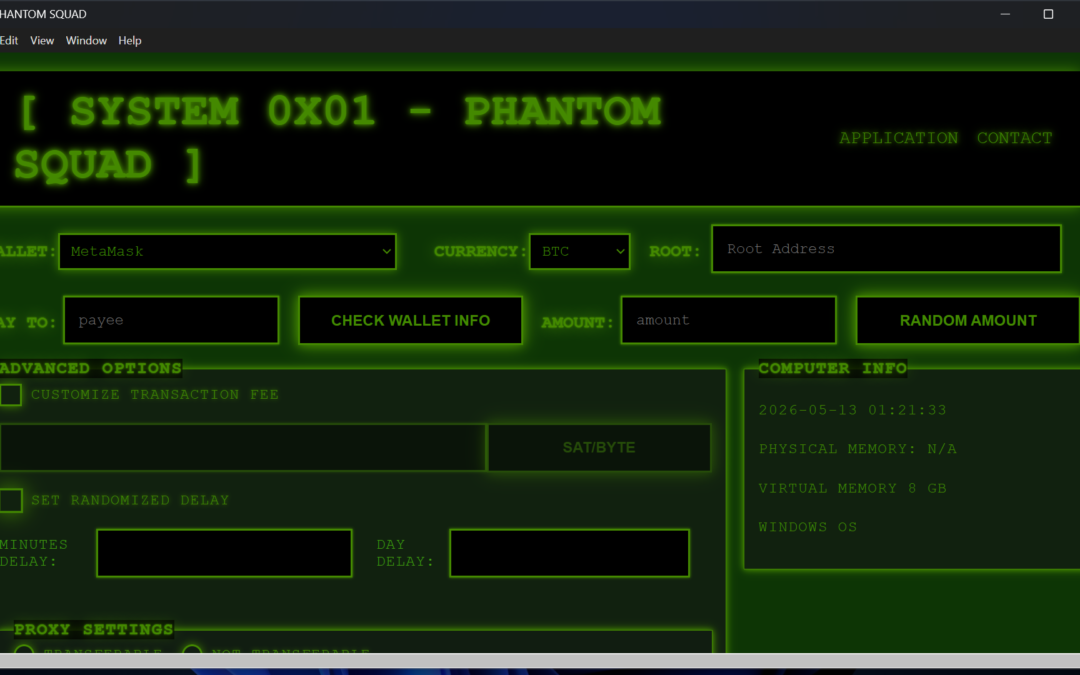
If you are a developer wondering how to create own flash USDT, this guide will explain the core concepts and technical steps involved in building your own USDT simulation tool. At Flash USD Transaction, we offer a ready‑to‑use platform, but we also believe in educating the community. Understanding how to create own flash USDT is essential for developers who want to build custom simulation tools for testing, education, or development purposes.
What Does It Mean to Create Own Flash USDT?
To create own flash USDT means to build a tool that generates temporary, simulated USDT transactions. These fake transfers appear real on blockchain explorers for a limited time (24–48 hours) before vanishing. This is not real USDT – it is a simulation for testing and education. To understand the underlying concept, visit our how it works page.
The concept of creating your own flash USDT is about building a system that mimics real USDT transactions on the blockchain without actually moving real funds. This is achieved by manipulating how blockchain explorers display transactions, rather than actually broadcasting transactions to the network. Understanding how to create own flash USDT gives developers insight into how blockchain explorers work and how transaction data is displayed.
Key Characteristics of Building Your Own Flash USDT
| Characteristic | Description |
|---|---|
| Simulation Only | Creates fake transactions that mimic real ones |
| Temporary Display | Appears on explorers for 24-48 hours |
| No Real Value | Cannot be spent, withdrawn, or traded |
| Technical Expertise Required | Requires programming and API knowledge |
| Explorer Manipulation | Uses explorer APIs to display fake data |
| No Blockchain Broadcast | Transactions are never broadcast to the network |
Can You Create Own Flash USDT?
Yes, but it requires technical expertise. You cannot create real USDT out of nothing – the "flash" effect is achieved by manipulating explorer displays or using test networks. Here is the general approach to understanding how to create own flash USDT.
Prerequisites
| Requirement | Description |
|---|---|
| Programming Skills | Knowledge of backend languages (Node.js, Python, PHP) |
| API Understanding | Familiarity with blockchain explorer APIs |
| Database Knowledge | Understanding of data storage and expiration |
| Web Development | Basic frontend skills for user interface |
| Security Awareness | Understanding of data security and privacy |
How to Create Own Flash USDT – Technical Steps
This section provides a detailed technical guide on how to create own flash USDT:
Step 1: Understand the Blockchain Explorer API
Most explorers (Tronscan, Etherscan, BscScan) have APIs that allow you to submit custom transaction data for display. You will need to study their documentation.
Key API Concepts:
- Transaction Submission – How to submit transaction data to explorers
- Data Structure – Understanding the required fields for transaction display
- Authentication – API keys and authentication methods
- Rate Limits – API usage limits and restrictions
Step 2: Set Up a Backend Server
Create a server (using Node.js, Python, or PHP) that will:
- Receive user requests (recipient address, amount)
- Generate a unique, realistic‑looking TXID
- Store the TXID with an expiration timestamp (e.g., 24 hours)
Backend Components:
- API Endpoint – For receiving flash requests
- TXID Generator – For creating unique transaction IDs
- Database – For storing transaction records
- Expiration Handler – For managing time-limited records
Step 3: Inject the Transaction into Explorer
Use the explorer's API to "push" a fake transaction record. This often requires understanding their data structure. Alternatively, you can run a local explorer instance (like a testnet) and point your wallet to it.
Injection Methods:
- API Injection – Using official explorer APIs
- Data Manipulation – Modifying local explorer data
- Testnet Approach – Using test networks for simulation
- Custom Explorer – Building your own explorer instance
Step 4: Handle Expiration
Build an automated cleanup script that removes the TXID from your database after the set time. The explorer will no longer display the transaction.
Expiration Handling:
- Database Cleanup – Automated removal of expired records
- API Updates – Removing transactions from explorer APIs
- Scheduled Tasks – Cron jobs or scheduled scripts for cleanup
- User Notifications – Notifying users of expiration
Step 5: Build a User Interface
Create a simple web form where users can enter a wallet address and amount. Connect it to your backend.
UI Components:
- Network Selection – TRC20, ERC20, or BSC
- Address Input – Recipient wallet address
- Amount Input – USDT amount to simulate
- Submit Button – Trigger the flash transaction
- Status Display – Show transaction status and TXID
Important Limitations
When learning how to create own flash USDT, it's important to understand the limitations:
- Not real blockchain – you are not creating actual USDT on the mainnet. You are only affecting what explorers show.
- No spending – the fake USDT cannot be withdrawn or traded.
- Legal use only – use your tool for testing, education, or personal projects. Never to defraud.
Technical Limitations
| Limitation | Description |
|---|---|
| No Blockchain Validation | Transactions never confirm on the network |
| Explorer Dependency | Relies on explorer APIs which may change |
| Temporary Display | Transactions vanish after expiration |
| Network Specific | Must work with specific explorer APIs |
| No Real Value | Cannot be used for real transactions |
Easier Alternative: Use Our Ready‑Made Tool
If how to create own flash USDT sounds too complex, you can simply use our professional platform:
- Free tier available – no coding required.
- Instant results – transactions appear in 10–30 seconds.
- Multiple networks – TRC20, ERC20, BSC.
- Privacy guaranteed – we do not log your data. Read our privacy policy .
Visit our homepage or software page to get started.
Comparison: DIY vs. Ready-Made
| Feature | DIY Approach | Our Ready-Made Tool |
|---|---|---|
| Technical Knowledge | High | None |
| Development Time | Weeks to months | Instant |
| Reliability | Variable | Always works |
| Cost | Development time | Free tier available |
| Support | None | Dedicated support |
| Updates | Manual | Automatic |
For Developers
Check our blog for occasional technical articles. For support or partnership inquiries, visit our contact page. Please review our terms & conditions .
Important Legal Disclaimer
If you decide to create own flash USDT, remember that it is for testing, education, and demonstration only. Never use simulated transactions to deceive or defraud anyone. By using our service, you agree to our terms & conditions .
Section 2: Risks, Identification, and Protection Strategies for How to Create Own Flash USDT
If you are a developer wondering how to create own flash USDT, this guide will explain the core concepts and technical steps involved in building your own USDT simulation tool. Having established the technical steps and limitations of how to create own flash USDT, this section focuses on the risks, identification methods, and protection strategies for developing and using flash USDT tools. Understanding these aspects is crucial for anyone involved in cryptocurrency development, testing, or education.
Risks and Consequences of Creating Flash USDT
Understanding the risks associated with creating your own flash USDT tool is crucial for developers and users alike. The consequences of misusing these tools can be severe and long-lasting, affecting both financial stability and personal reputation.
Legal Ramifications
Creating or using flash USDT tools for deceptive purposes can result in serious legal consequences. Many jurisdictions treat cryptocurrency fraud as a serious crime, with penalties that can include substantial fines and imprisonment. Legal action can be taken not only against perpetrators but also against platforms that knowingly facilitate such activities.
| Legal Consequence | Description |
|---|---|
| Criminal Charges | Fraud, theft, and conspiracy charges |
| Civil Lawsuits | Victims can sue for damages |
| Regulatory Penalties | Fines from financial regulators |
| Asset Seizure | Government seizure of ill-gotten gains |
| Imprisonment | Jail time for serious fraud offenses |
Development Risks
When you create your own flash USDT tool, there are additional risks to be aware of:
- API Changes – Explorer APIs can change, breaking your tool
- Data Leakage – User data could be exposed if not properly secured
- IP Restrictions – Explorer APIs may block your IP
- Legal Action – Platforms may take legal action against fake transaction tools
- Security Vulnerabilities – Your code could have security flaws
Financial Loss
Creating or using flash USDT tools for deceptive purposes may result in:
- Loss of reputation – Being labeled as a fraudster
- Loss of legitimate funds – If your accounts are frozen or banned
- Legal costs – Expenses from legal proceedings
Reputation Damage
Individuals found to be involved in deceptive flash USDT activities can suffer significant reputational harm. This can lead to blacklisting from legitimate platforms, loss of professional licenses, and difficulty finding future employment or business opportunities.
How to Identify Safe vs. Unsafe Flash USDT Tools
Protecting yourself from fraudulent activities requires vigilance and knowledge of proper verification procedures.
Red Flags for Flash USDT Tools
| Red Flag | What It Means |
|---|---|
| Requests for Private Keys | NEVER share your private keys |
| Promises of "Real" USDT | Simulation tools cannot create real USDT |
| No Contact Information | Avoid anonymous providers |
| No Technical Documentation | Legitimate tools have documentation |
| Pressure to Upgrade | Be cautious of aggressive upsells |
| Poor Website Design | May indicate a scam |
Green Flags for Flash USDT Tools
| Green Flag | What It Means |
|---|---|
| Transparent Disclosure | Clearly states it's a simulation |
| Clear Contact Information | Company and support details available |
| Technical Documentation | API and technical docs available |
| Privacy Policy | Clear data handling policies |
| Positive Reviews | Good reputation in the community |
Verify on Blockchain Explorers
Always verify any USDT transaction using trusted blockchain explorers:
- Tronscan – For TRC20 USDT transactions
- Etherscan – For ERC20 USDT transactions
- BSCScan – For BSC USDT transactions
Ethical Considerations
Understanding the ethical considerations when creating or using flash USDT tools is essential for responsible development.
Use Only for Legitimate Purposes
Flash USDT tools should only be used for:
- Software development and testing
- Quality assurance and troubleshooting
- Educational demonstrations
- System verification and validation
- Professional development and practice
- Research purposes – Understanding blockchain mechanics
Never Use for Deception
Flash USDT tools should never be used for:
- Deceiving others into sending real funds
- Fraudulent payments – Attempting to pay with fake USDT
- Any illegal or unethical activities
- Misleading investors or business partners
Disclose the Nature of Simulations
When using flash USDT tools for demonstration or educational purposes:
- Clearly disclose that the transaction is simulated
- Explain that no real transaction occurred
- Ensure all parties understand the nature of the demonstration
- Document the purpose of the simulation
- Maintain transparency throughout the process
Best Practices for Creating Flash USDT Tools
To ensure responsible and legal development of flash USDT tools, follow these best practices.
1. Use Only for Legitimate Testing and Education
Ensure all uses are for legitimate purposes:
- Software development and testing
- Quality assurance and troubleshooting
- Educational demonstrations
- Training sessions
- System verification and validation
2. Maintain Transparency
Always be transparent about the nature of simulated transactions:
- Disclose that the transaction is simulated
- Explain that no real transaction occurred
- Ensure all parties understand
- Document the purpose of the simulation
3. Never Request Private Keys
Legitimate flash USDT tools never require:
- Private keys of any wallet
- Recovery phrases or seed words
- Passwords to exchange accounts
- 2FA codes from victims
4. Secure Your Code
If you create your own flash USDT tool:
- Use proper authentication – Protect your API endpoints
- Encrypt user data – Protect sensitive information
- Implement rate limiting – Prevent abuse
- Regularly audit your code – Find and fix vulnerabilities
- Keep dependencies updated – Patch security issues
5. Educate Users
When demonstrating flash USDT tools:
- Explain how to verify real transactions
- Teach blockchain verification methods
- Show warning signs of simulated transactions
- Provide resources for further learning
6. Report Misuse
If you encounter misuse of flash USDT tools:
- Report to relevant authorities
- Alert exchanges and platforms
- Warn the community
- Document evidence of fraud
Verification Checklist for USDT Transactions
Use this comprehensive verification checklist before acting on any USDT transaction.
Pre-Verification
- □ TXID format checked (64-character hexadecimal)
- □ Sender identity verified through multiple channels
- □ Transaction details confirmed with sender
- □ Transaction purpose documented
- □ Communication recorded for reference
Verification (Using Multiple Blockchain Explorers)
- □ TXID found on appropriate blockchain explorer
- □ Transaction details match expectations
- □ Confirmations meet minimum requirements
- □ Block hash is valid and links to a real block
- □ Transaction appears permanent
Post-Verification
- □ Transaction recorded on blockchain permanently
- □ Transaction visible on multiple blockchain explorers
- □ Confirmations continuing to increase
- □ No unexpected reversals
- □ Sender confirms successful completion
What to Do If You Encounter a Scam
If you encounter a fake USDT transaction scam, take these immediate actions.
Immediate Steps
- Do not send any funds based on the simulated transaction
- Do not release any goods or services
- Do not share any private keys with anyone
- Document all evidence of the scam attempt
- Check the TXID on multiple blockchain explorers
- Contact the sender for verification
- Monitor your wallets for suspicious activity
- Report the scam to the relevant authorities
Reporting Channels
| Channel | Action |
|---|---|
| Tronscan | Report fake TRC20 transactions |
| Etherscan | Report fake ERC20 transactions |
| BSCScan | Report fake BSC transactions |
| FBI IC3 | File complaint (US users) |
| Local Authorities | Report to law enforcement |
| Crypto Exchanges | Alert to potential fraud |
Warning Others
- Post warnings in crypto communities
- Share information on social media
- Alert exchanges about scam attempts
- Report the scam to security forums
- Educate your network about the threat
Frequently Asked Questions
Q: How to create own flash USDT?
A: To create your own flash USDT tool, you need to understand blockchain explorer APIs, set up a backend server, generate realistic TXIDs, inject transactions into explorers, handle expiration, and build a user interface. This requires technical expertise.
Q: Is it legal to create own flash USDT?
A: Creating flash USDT tools for testing and education is legal. Using them to deceive others is illegal and considered fraud.
Q: Can I use flash USDT as real money?
A: No. Flash USDT has no real value and cannot be spent, withdrawn, or traded.
Q: Do I need programming skills to create own flash USDT?
A: Yes. Creating your own flash USDT tool requires programming skills (Node.js, Python, PHP), API understanding, and web development knowledge.
Q: Is there an easier way to use flash USDT?
A: Yes. You can use our ready-made platform at Flash USD Transaction – no coding required, instant results, and multiple networks supported.
Conclusion
If you are a developer wondering how to create own flash USDT, this guide has explained the core concepts and technical steps involved in building your own USDT simulation tool. Now you have a high‑level answer to how to create own flash USDT.
Understanding the risks, learning to identify simulated transactions, and following best practices for crypto security are essential for protecting yourself and your assets. By maintaining transparency, using trusted providers, and educating others, you can ensure that flash USDT tools are used responsibly and legally.
Key Takeaways
- Creating flash USDT requires technical expertise – Programming, API, and web development skills
- It's only a simulation – Flash USDT has no real value
- Never use for deception – Fraud is illegal and unethical
- Use only for legitimate purposes – testing, education, and development
- Maintain transparency – disclose the nature of simulated transactions
- Secure your code – Protect user data and prevent abuse
- Always verify transactions using blockchain explorers
- Report suspicious activity to protect others in the community
- Consider using ready-made tools – Our platform offers instant, no-code solutions
- Remember: If it sounds too good to be true, it is a scam
About Our Crypto Transaction Solutions
At Flash USD Transaction , we are committed to providing transparent, reliable, and legitimate crypto transaction solutions for developers, traders, and blockchain enthusiasts. Visit our software page to get started. Read our blog for technical articles and updates.
Learn More About Us
Privacy Policy – Learn how we protect your privacy
About Us – Discover our mission, team, and commitment to providing legitimate crypto transaction solutions
Contact Us – Have questions? Reach out to our support team for assistance
Blog – Stay updated with the latest news, tips, and insights
How It Works – Learn more about our platform
Terms & Conditions – Review our terms of use